• Skip to primary navigation
  • Skip to main content
  • Skip to footer
Insite

Insite

The UK’s Leading Logistics Training Provider

  • Home
  • Services
    • HGV Training
    • Amazon HGV driver training
    • Driver CPC training
    • Warehouse Training
      • Introduction to warehousing
      • Forklift Training
      • First Aid training
    • Construction training
      • Excavator training course - below 10 tonnes
      • Excavator training – above 10 tonnes
      • A12 excavator – above 5 tonnes
      • Forward tipping dumper training
      • Rear Tipping Dumper training
    • PCV Training
  • Services
        • Services

          Our fully managed and hassle free service means you can be confident your training needs are always being met.

        • HGV Training

          How Insite’s fully HGV driver training programs can help you increase capacity…

        • Amazon HGV driver training

          Considering a career as an HGV driver for Amazon? Discover the benefits, training…

        • Driver CPC training

          How Insite’s fully HGV driver training programs can help you increase capæity…

        • Warehouse Training

          Our certified, on and off-site warehouse training courses equip your learners with…

          Forklift Training Introduction to warehousing First Aid
        • Construction training

          CPCS & NPORS accredited plant training to ensure safe and effective operation on site…

          Excavator training – below 10 tonnes Excavator training – above 10 tonnes A12 excavator – above 5 tonnes Forward tipping dumper training Rear Tipping Dumper training
        • PCV Training

          Our certified, on and off-site warehouse training courses equip your learners with…

  • Skills Bootcamp
  • About Us
  • Digital Solutions
    • Insite Mobile App
    • Insite Client Portal
  • Digital Solutions
        • Digital solutions

          Streamline your driver training and management with our integrated app and web portal. Access powerful tools designed for efficiency and control.

        • Insite Mobile App

          Help your trainee HGV drivers pass their tests faster with our dedicated mobile app. Providing convenient access to learning resources and practice on the go.

        • Insite Portal

          Track employee training progress, monitor pass rates and receive timely action alerts, all within our all-in-one Client Portal. Gain valuable insights into your team’s performance.

  • Case Study
  • Blogs
  • Login
  • Contact Us
Home » Uncategorized » Page 3

Uncategorized

Step-by-step guide to conducting routine tachograph checks

25 June 2025 by Prath Kamat

For HGV operators, tachographs are an essential tool in monitoring driving hours and ensuring compliance with legal regulations. Routine tachograph checks are not only vital for avoiding fines and penalties but also play a crucial role in promoting road safety. However, not every driver or fleet manager fully understands how to conduct these checks properly, leading to costly mistakes.

This step-by-step guide will walk you through how to carry out routine tachograph checks efficiently while emphasising the importance of professional training through Insite.

What is a tachograph and why is it important?

Before diving into the routine checks, let’s first understand what a tachograph is and why it is so crucial for HGV drivers.

  • A tachograph is a device installed in commercial vehicles that records driving time, speed, and distance. Its primary purpose is to ensure that drivers do not exceed the legal driving hours and take the necessary rest periods to prevent fatigue-related accidents.

Failing to monitor and check tachograph data can lead to severe legal consequences, including hefty fines, vehicle impoundments, and reputational damage.

At Insite our comprehensive HGV training includes routine tachograph checks as part of a seamless driver management solution.

Step-by-step guide to routine tachograph checks

STEP 1: Ensure your tachographs are functioning properly

According to the UK government, all tachographs used for recording drivers’ hours, whether analogue, digital, or smart, must be properly installed, calibrated and sealed. The first step in conducting routine tachograph checks is to understand the key components of the tachograph system and ensure that all devices are functioning correctly. A malfunctioning tachograph can result in inaccurate data recording, which could lead to compliance violations and safety hazards.

What to check:

  • Ensure that the device powers on and displays correctly.
  • Verify that it is receiving power from the vehicle’s electrical system.
  • Check for error messages on the screen or warning indicators.

Training at Insite emphasises the importance of starting every shift with this fundamental step to ensure that drivers operate within legal limits and maintain accurate records.

STEP 2: Check calibration and inspection dates

Tachographs must be regularly calibrated to ensure they record accurate data. Calibration checks are essential, as an out-of-date calibration can render your records invalid and lead to legal penalties.

What to check:

  • Verify the tachograph’s calibration date. This information is typically printed on a sticker on the device or available in the system menu.
  • Ensure that calibration has been carried out by an approved technician and falls within the legal calibration period (For analogue tachographs: inspection every two years and calibration every 6 years. For digital and smart tachographs: inspection every two years and calibration every 2 years.

Insite’s training programs teach drivers and fleet managers how to read and interpret calibration data, ensuring full compliance.

STEP 3: Inspect driver cards and download data regularly

Driver smart cards from the DVSA are an essential component of the tachograph system, and it is critical to ensure they are properly inserted before each shift – and throughout the shift, including during breaks and rest periods.

Regular data downloads from both the driver card and the vehicle unit are required to maintain compliance with UK regulations. Drivers must also remember to transfer their driver smart card to their new tachograph unit when switching to a new vehicle.

What to check:

  • Ensure the driver card is inserted into the tachograph correctly and that it has been read by the system.
  • Download data from the driver card at least every 28 days and from the vehicle unit every 90 days, as required by law.

STEP 4: Monitor driving time and rest periods

One of the most critical elements of tachograph checks is monitoring driving times and rest periods. The law is clear: drivers must not exceed a certain number of driving hours and must take regular breaks to prevent fatigue. Failing to follow these rules can lead to penalties and dangerous road conditions.

What to check:

  • Ensure that driving hours, breaks, and daily/weekly rest periods comply with legal regulations.
  • Review tachograph records regularly to ensure no discrepancies or violations.

Insite’s training programs include in-depth guidance on interpreting tachograph data, ensuring that drivers fully understand the rules and how to adhere to them during their shifts.

STEP 5: Check for driving anomalies

Anomalies in the tachograph data, such as driving without a card or exceeding speed limits, can lead to serious consequences. Regular checks can help identify and rectify these issues early, preventing penalties and ensuring the safety of the driver and other road users.

What to check:

  • Look for any periods where the vehicle was driven without a driver card inserted.
  • Identify any instances where the vehicle speed exceeded legal limits.

With Insite’s training, drivers are taught to recognise and avoid these common pitfalls, helping your company maintain compliance and reduce the risk of accidents.

STEP 6: Review rest periods and breaks

Ensuring that rest periods and breaks are being taken correctly is essential for both safety and compliance. Drivers are required to take breaks during their shifts, and tachographs are instrumental in recording whether these breaks were taken at the correct intervals. Using the tachograph, drivers can switch their mode from driving to rest to availability to other work.

What to check:

  • Review the data to confirm that the required breaks were taken during driving shifts.
  • Verify that the total number of rest hours meets legal requirements.

At Insite, we teach drivers to manage their schedules effectively, balancing driving time with mandatory rest periods to optimise safety and compliance.

STEP 7: Conduct periodic data audits

Even with regular downloads and checks, conducting periodic audits of tachograph data is critical to ensure there are no overlooked issues. These audits help identify trends in driver behaviour and ensure that all legal requirements are being consistently met.

What to check:

  • Perform data audits every few months to identify any discrepancies or recurring issues.
  • Cross-reference tachograph data with other records, such as fuel logs and maintenance records, to ensure consistency.

The consequences of failing to conduct routine tachograph checks

Failing to conduct regular tachograph checks can lead to severe consequences, both for drivers and the company. Here are some of the key risks:

  • Legal penalties: Companies that fail to comply with tachograph regulations can face hefty fines, impounded vehicles, and even loss of operator licenses. Non-compliance can also affect your company’s reputation, making it harder to secure contracts.
  • Increased accident risks: Without proper monitoring, drivers may unintentionally exceed their legal driving hours, increasing the risk of fatigue-related accidents. Fatigue is one of the leading causes of accidents involving HGVs, and tachographs play a crucial role in preventing these incidents.
  • Loss of revenue: Compliance violations and accidents can disrupt operations, leading to delays and missed deliveries. In a highly competitive industry, this loss of revenue can be devastating for businesses, especially if it leads to lost contracts or increased insurance premiums.

The Importance of Routine Tachograph Checks

Conducting routine tachograph checks is more than just a legal requirement – it’s a vital aspect of safe and efficient HGV operations. Insite Training is committed to helping companies and drivers understand the importance of tachographs and providing the necessary training to ensure compliance.

By partnering with Insite, you can rest assured that your fleet is in good hands, with drivers who are trained to conduct routine checks accurately and efficiently, keeping your operations safe, compliant, and profitable.

If you’re ready to enhance your fleet’s safety and compliance, contact Insite Training today to learn more about our HGV driver training and managed services.

Filed Under: Uncategorized

The Best Way to Handle Licence Violations & Endorsements

25 June 2025 by Prath Kamat

If you’re an HGV driver or transport manager in the UK, licence endorsements and violations are a serious matter. They carry with them major repercussions for both employers and those who drive for them, meaning that understanding how to manage them when they occur is crucial.

We aim to help you in this article by looking at the best way for transport managers to handle these infractions when they happen as well as looking at how they can ensure their whole fleet stays on the right side of the law.

Licence Endorsements – What You Need to Know

The definition of an endorsement is an entry on a driver’s licence that officially denotes any traffic offences or violations they’ve committed. You could be talking about something minor like a SP30 speeding or a more serious offence, such as reckless driving or driving whilst drunk.

These endorsements often come with points that can result in the driver in question having their ability to work in the industry severely restricted.

What Transport Managers Can Do

So, what can you do as a transport manager to ensure that your drivers are driving legally and safely when it comes to driving licence endorsements? There are a number of things you can implement to make sure everyone in your fleet is working within the bounds of the rules.

Regular Licence Checks

To begin with, you can carry out regular manual checks of your drivers’ licences, so that you can quickly pick up on any new points or violations. Naturally, you should also foster a working environment in which drivers should feel comfortable about volunteering this information proactively.

Digital Tracking Systems

Something else you can do is use the latest technology in this area, which essentially means leveraging the benefits of digital tracking and record-keeping systems.

Educating Drivers on the Implications

When everyone in your fleet is on the same page with regard to what’s required, the task of ensuring compliance gets that much easier. To this end, you should offer awareness training to your staff about the wider implications of incurring endorsements and the importance of safe driving.

These ramifications include possible fines, restrictions and in the worst cases, complete disqualification from driving.

Taking Proactive Steps to Prevent Endorsements

Over and above general awareness training and regular checks, another way to prevent driver endorsements is to offer defensive driving courses. Telematics monitoring systems can also keep track of driving behaviours, highlighting areas in which drivers may need extra support or training.

Also, by working closely with your insurance provider, you can better understand the wider insurance premium and coverage implications of getting points on your licence – something you can relay to your drivers. Obviously, you’ll need to report all of these violations to your provider in a timely manner.

The Importance of Creating a Culture of Compliance

Invariably, the best approach when it comes to compliance is to create a workplace where it’s seen as being of the highest importance. This means fostering a culture where safe driving is valued and, in turn, rewarded.

As such, you should be sure to encourage drivers to report any issues or concerns they have and provide a supportive environment for discussing driving performance.

How to Deal with Disqualifications & Penalties

No system can fully prevent all penalties and disqualifications, so what do you do if and when they arise? For starters, you should have clear, widely understood, policies for handling these instances and when they do occur, you need to provide guidance and support – something that may extend to assisting with legal proceedings.

When you have a situation in which a driver becomes a repeat offender, it’s important to create an individual action plan for them, focusing on their continued training and monitoring. Any subsequent disciplinary procedures implemented along the way need to be firm but fair.

It’s also vital that you maintain up-to-date, accurate driver records, including all infractions, and be audit-ready at all times – just in case you get a visit. If you’d like more info on the subject, explore our guide on The Implications of Licence Endorsements and Penalties.

Staying On Top of Licence Endorsements & Violations

If you want to run a tight ship in terms of licence endorsements, you must ensure that all of your drivers are well-informed. You also need to provide ongoing training and make sure that your workplace is one that makes drivers feel comfortable in reporting any offences that come up.

You may, at some point, have to instigate disciplinary actions, but the chances of things getting to this stage are greatly reduced by following the guidance as shown here and when you have a compliant fleet, everyone benefits.

Filed Under: Uncategorized

The future of fleet management: embracing technology and innovation

25 June 2025 by Prath Kamat

The digitisation of HGV and van fleet management is an increasingly crucial practice. The amalgamation of software solutions in the management of fleets is not just a trend but a necessary step toward efficiency, compliance, and staying ahead in the industry.

Today, we’ll be looking at what emerging technologies are changing the face of fleet management and how, the numerous benefits of telematics and a healthy look at some examples of organisations embracing said technology for immense benefits.

Understanding How Important Tachographs Are

The global fleet management market is projected to hit $75.5 billion by 2028, expanding at an annual rate of 19.93% from 2023 to 2028. This growth is driven by global trade, swift technological advancements, and the essential role of fleets in various industries.

Additionally, the rising need for secure goods and public transportation due to urbanisation and population growth, along with government initiatives (such as the UK’s HGV Skills Bootcamp) and businesses striving to stay competitive in crowded markets, are spurring the adoption of advanced fleet management solutions.

To stay ahead in the game, commercial fleet operators focus on boosting efficiency, cutting costs, enhancing driver comfort, and embracing sustainability — driving the industry’s innovation forward. A recent study showed that 94% of fleet managers in the UK are investing in cutting-edge technologies to modernise their operations and elevate the driver experience.

To get a more rounded and accurate picture of what the future of fleet management will look like, we need to analyse the emerging technologies that promise to revolutionise the industry.

To that affect, here are ten key trends shaping the landscape:

  1. Enhanced Telematics
  2. Telematics systems have become a cornerstone in fleet management, providing real-time data on vehicle location, speed, fuel usage, and driving behaviour. A Statista report projects the global big data analytics market to reach $103 billion by 2027, highlighting the essential role of big data in fleet management. This technology helps fleet managers optimise routes, reduce fuel consumption, and improve overall efficiency.

  3. AI-Facilitated Automation
  4. Artificial Intelligence (AI) is transforming fleet operations through predictive maintenance, route optimisation, and automated scheduling. Precedence Research indicates that the AI in transportation market is anticipated to hit $23.11 billion by 2032, underscoring the increasing significance of AI in fleet management. AI algorithms can analyse vast amounts of data to predict vehicle maintenance needs, thereby reducing downtime and maintenance costs.

  5. Carbon Footprint Reduction
  6. Sustainability is a growing concern in fleet management. Technologies that reduce carbon emissions, such as Alternatively Fuelled Vehicles (AFV), are becoming more prevalent and with this comes an increased demand for specialised AFV driver training courses that educate drivers on how to operate these vehicles safely and efficiently. The IEA forecasts that 17 million electric cars will be sold in 2024, with a notable share being integrated into commercial fleets. Additionally, software that monitors fuel efficiency and promotes eco-friendly driving practices contributes to a smaller carbon footprint.

  7. Advanced Driver Assistance Systems (ADAS) and Driver Training
  8. ADAS technologies, including collision avoidance, lane departure warnings, and automated braking, enhance driver safety. Coupled with comprehensive driver training programs, these systems help in reducing accidents and improving road safety. The importance of this technology within the HGV and commercial vehicle industry becomes apparent when you look at the latest data from Geolab, experts in road transport telematics. Their research revealed that in 2023, the average number of miles trucks travelled before experiencing a collision dropped by 180,000(19.12%). For a large UK operator with a fleet of around 1,000 HGVs, this drop equates to an additional 20 collisions every year. This coincides with a 6% rise in fatalities from HGV crashes, reaching 220 deaths last year. Notably, one-third of all road accidents in the UK involved drivers on work-related journeys. The Royal Society for the Prevention of Accidents (ROSPA) attributes 95% of road accidents to human error. Key factors include incorrect reactions, failure to observe, distractions, and inexperience.

  9. 5G and IoT (Internet of Things)
  10. The advent of 5G and the Internet of Things (IoT) is revolutionising fleet management. These technologies enable real-time communication between vehicles and centralised systems, facilitating enhanced data collection, monitoring, and management. Although its implementation is not widespread within the logistics and haulage industry, there are several ways companies are using this technology to improve their operations and reduce costs:

    • In-cab coaching – Providing drivers with instant feedback about dangerous manoeuvres such as harsh braking or acceleration is helping organisations to improve fuel economy and safety standards.
    • Digital timesheets, vehicle checks & mileage claims – Pre IoT, these time-consuming administrative tasks required manual effort. However, thanks to telematics devices and smartphone applications these tasks can now be completed digitally, saving time, money and the environment.
    • RFID, NFC & Bluetooth technology – The tagging and tracking goods of goods has allowed organisations to optimise loading times, reduce delivery times, analyse stock levels and improve customer experience.
  11. The Circular Economy Model
  12. The circular economy model aims to minimise waste and repurpose resources once they reach the end of their lifecycle. In fleet management, this involves recycling and reusing old fleet vehicles, yielding operational, financial, and environmental advantages. For example, recycled materials can be utilised in manufacturing new vehicles, thereby decreasing the demand for raw materials and reducing environmental impact. Gartner reports that 74% of supply chain leaders anticipate higher profits from implementing circular economy practices.

Case Studies of Successful Tech Adoption

– Case Studies of: Telematics Transformation

A logistics firm with a fleet of 200 HGVs, integrated a comprehensive telematics system.

This resulted in:

  • 15% reduction in fuel consumption
  • 20% decrease in maintenance costs
  • and a significant improvement in delivery times

The real-time data provided by the telematics system allowed for more efficient route planning and proactive maintenance scheduling.

Amazon Delivery’s adoption of electric vans and routing software, which utilised 16 third-party map vendors, significantly improved their route planning and subsequently kept their trucks away from unfavourable traffic conditions and situations in which fuel would be wasted at an inefficient level.

Amazon’s telematics transformation here also supplied drivers with optimised routes and safer routes whilst considering driver schedules.

– Case Studies of: AI Implementation

A delivery service provider implemented an AI-driven fleet management software. This system automated route planning, predicted vehicle maintenance needs, and optimised driver schedules.

As a result, the company saw a 25% increase in operational efficiency and a 30% reduction in vehicle downtime.

FedEx targets and has pledged to be carbon-neutral by 2024. One of the ways FedEx is moving towards achieving this is through AI-backed efficient route planning in order to reduce CO2 emissions by a predicted 20%. FedEx’s usage of AI route optimisation has also reduced vehicle downtime by 25%.

– Case Studies of: Transition to Renewable Energy

A public transportation provider, transitioned to electric vehicles and installed solar-powered charging stations.

This move not only reduced the company’s carbon footprint but also resulted in substantial cost savings on fuel and maintenance.

Amazon has made a commitment to have 100,000 EVs deployed in their fleet by 2030 – this marks the largest ever order of EVs and is a significant signal that the future of HGV is electric.

Conclusion

The future of fleet management lies in embracing technology and innovation. Furthermore, the digitisation of fleet management is no longer a matter of choice but a necessity. By adopting emerging technologies such as telematics, AI, and renewable energy solutions, fleet operators can enhance efficiency, ensure compliance, and maintain a competitive edge in the market.

At Insite, we understand the challenges of managing large-scale licence acquisition and driver CPC programmes. Our fully managed tailored solution takes away the stress and makes complicated training programmes a breeze. We transform driver training programmes, managing the whole process seamlessly and effectively, from initial checks and onboarding to preparing a training summary with results, analysis, and recommendations for improvements. Contact us today to learn more about how we can support your driver training needs.

Filed Under: Uncategorized

The Training & Responsibilities of HGV Drivers in Maintenance Compliance

25 June 2025 by Prath Kamat

The important role that HGV drivers play in the UK can’t be understated, as they represent the linchpin of the logistics industry, ensuring that goods are delivered safely and efficiently. Adhering to schedules is a large part of the job of a professional lorry driver, but so is sticking to daily and planned maintenance schedules.

As both transport managers and drivers know, meeting maintenance schedules is essential not only in ensuring the longevity of a vehicle but also the safety of the driver, other motorists and the cargo being carried. As such, drivers need to understand their responsibilities in complying with maintenance rules alongside their other duties.

Abiding By Maintenance Regulations is Crucial

There are strict maintenance regulations in place in the UK that need to be complied with, and they exist to ensure roadworthiness. Covering a broad spectrum of repairs and checks, from brake pad condition to tyre integrity, compliance is important not just for legal reasons but also in relation to operational safety.

Regular maintenance checks minimise the risk of accidents caused by vehicle failure, meaning that they’re instrumental in protecting lives while also benefitting fleet operators. As such, they reduce the likelihood and frequency of costly downtime for repairs.

Regular Driver Training for Maintenance Compliance

In order for HGV drivers to be supported in fulfilling their maintenance compliance duties, they need to be given regular training. This education should cover the basics of vehicle mechanics, as well as specific regulatory requirements for HGVs.

Drivers should also be trained to perform pre-trip and post-trip inspections, recognising signs of wear, malfunction, or damage that could impede vehicle performance or safety. This kind of training typically includes other aspects like fluid levels (oil and coolant), tyre pressure and tread depth, brake functionality, and the securement of cargo.

The Responsibilities of HGV Drivers Have

HGV drivers have both proactive and reactive vehicle maintenance responsibilities. Proactively, drivers need to carry out daily walkaround inspections of their trucks, as well as post-trip checks. These inspections represent the first line of defence against mechanical failure, with any issues found being promptly reported and dealt with before the vehicle is used again.

In terms of reactive responsibilities, drivers need to practice good judgment when encountering issues on the road, backed by the knowledge needed to assess whether a vehicle can continue on its journey or must be pulled over and a problem immediately reported.

Keeping Accurate Records Is Also Essential

HGV drivers also have a duty to keep accurate records of the inspections they make, along with any maintenance performed. These records are critical for upholding regulatory compliance and also serve to inform preventative maintenance schedules to help develop future issues.

If you’d like to know more about either daily vehicle checks or scheduled maintenance, check out our articles that focus much more on each specific subject.

HGV Drivers Have an Important Role in Maintenance Compliance

While transport managers must ensure maintenance rules are followed, so do drivers. Proper training is required so that every driver has a clear understanding of what’s expected, and this helps them contribute to a working culture where these obligations are seen as vital and addressed as they need to be.

When a culture of safety and following the rules is instilled in the workplace, drivers can meet their responsibilities and everyone on the road benefits. Working at the leading edge of the industry, drivers are very much at the forefront of ensuring HGV vehicles are roadworthy and safe.

Filed Under: Uncategorized

Things You Need to Know About Securing Loads That Contain Hazardous Materials

25 June 2025 by Prath Kamat

It will likely not come as a surprise to anyone working in the UK transport sector that properly securing all types of truck loads is an essential part of any logistics operation. As such, transport managers need to do everything necessary to ensure that their drivers are well-trained on how hazard materials are secured.

Not only is this vitally important in terms of public safety, but also your company’s ability to comply with all the relevant rules and avoid fines. In this article, we shine a light on best practices in this area.

What Constitutes Hazardous Materials?

Hazardous materials – also commonly called ‘HazMat’ – is a term that covers a broad range of substances that are deemed to present a risk to human health and safety when they’re being transported. What this means is cargoes such as:

  • Explosive materials
  • Flammable liquids
  • Toxic chemicals
  • Corrosives (e.g. sulphuric acid)
  • Liquified, compressed, dissolved gases
  • Radioactive materials

Naturally, the process of securing loads like these requires special knowledge, due to the possible consequences that could ensue from accidents and/or spillage.

Key Points to Consider When Loading HazMat

Before loading any hazardous materials for transportation, it’s essential to carry out an extensive risk assessment and an important part of knowing the best way to secure them is understanding them.

Something else you need to be fully up-to-speed with is all national and international regulations that govern loads of this kind. If you’re unsure in any way, take a moment to review our Load Securement Regulations knowledgebase that covers everything you need to know.

Also, as a transport manager, you must stay on top of the administrative side of HazMat transportation, meaning that all cargoes should be properly labelled, and all necessary documentation is up-to-date and easy to access.

Best Practices – What You Need to Know

In this section, we look at best practices in terms of running a tight ship when involved with moving HazMat. It starts with using the right securing gear that’s specifically designed for these kinds of cargoes – including materials that happen to be resistant to chemicals and fire.

Other things you should stay on top of include:

  • Inspecting your securing gear (chains, straps etc) on a regular basis so that you can spot damage or signs of wear and tear.
  • Training drivers in all relevant emergency procedures that are specific to the type of HazMat that you’re tasked with transporting.
  • Creating training programs that cover every aspect of transporting HazMat, such as how to secure it and handle it from beginning to end.
  • Providing ongoing education via training materials that are continuously updated to reflect any rule changes and advancements in technology.
  • Running through practical drills and simulations as part of any training provided to prepare them in case anything happens for real.

Technology & Promoting a Culture of Safety

Thanks to the progression of technology, the task of safe HGV driving, and HazMat transportation is made that much easier. For instance, telematics systems can be used to ensure that your drivers are following the safest routes when moving chemicals or flammable liquids from one place to another.

Digital checklists for use in pre-trip load inspections can also play a big part in ensuring every T is crossed and I is dotted – something that’s even more important when talking about sensitive cargoes like these.

Getting Everyone Onboard

The place you want to get to is where safety is viewed as a number one priority by everyone at your company. As such, you need to foster a workplace culture – especially with regard to HazMat handling and securing.

When attempting to realise this company culture, you must make it clear to drivers that they’re 100% free to come forward and report safety concerns they have without the prospect of any kind of reprisals.

Ensuring All HazMat Cargoes Are Safely Managed

Ensuring that every HazMat cargo your company transports is kept safe and secure takes a great deal of attention and know-how. However, by following the best practices as laid out here, you can ensure that your drivers are well prepared for the job at hand, so that they, the public and the wider environment are kept safe.

Also remember that ongoing learning and refinement of your setup are key to meeting the required standards. For further guidance and training resources, explore our extensive Load Securement Regulations section.

Filed Under: Uncategorized

Training Drivers to Use Tachographs – A Guide

25 June 2025 by Prath Kamat

Tachographs are an essential tool for HGV drivers in the UK, as they’re used to ensure that driver hours aren’t exceeded and the roads are kept safe. In this article, we look at the important role transport managers have with regard to teaching drivers how these devices are used. Here we look at implementing a structured plan with practical, actionable steps.

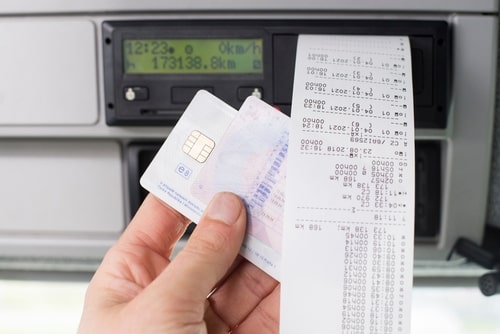
A hand holding a drivers licence in front of a tachograph machine printing out end of day slip.

Step #1 – Putting Together a Comprehensive Training Curriculum

The first step on the road to giving your HGV drivers what they need is put together a thorough training curriculum that covers essential tachograph topics. For example, you should be going in-depth on aspects like tachograph functions, driving hour rules and the high importance of accurate record keeping.

Training provided should also include interactive elements during which drivers should get hands-on practice with real-world analogue (if relevant) and digital tachographs.

Step #2 – Providing Regular Training Sessions

Awareness is crucial with topics like these, so companies with HGV fleets should hold regular training and workshops. Attending should be non-negotiable, irrespective of whether a driver has 10 years of road experience or they’ve just passed their class 2 licence.

Practical demonstrations should be provided, as not everyone learns in the same way. By visually showing drivers how tachographs work, as well as perhaps giving them worksheets to refer to, you’ll be sure that everyone is on the same page.

Step #3 – Leverage Real-World Scenarios & Case Studies

There’s no better way to reinforce tachograph-use best practices being taught during training than to offer real-world scenarios in which to employ them. They can also be complemented by group discussions in which drivers can share their experiences and learn from each other.

Step #4: Staying Ahead of Compliance

Guidelines and regulations as they relate to tachograph usage can change quickly, which is why it’s vital to stay up to date with any rule amendments as they occur. When they happen, you need to adjust your own training materials accordingly, so they reflect the correct information.

The consequences of not complying with tachograph guidelines can be particularly heavy – something you’ll find out by reading our article on the subject. As such, you should constantly be reinforcing the message that compliance is vital and talking about the company and career ramifications.

Step #5: Leverage Technology & E-Learning

Education in many different sectors has improved greatly thanks to remote technology and this is something that can be used to great effect in conveying knowledge about tachograph usage. E-learning and simulation software can be really useful in allowing drivers to get what they need at their own pace.

Step #6: Create a Supportive Learning Environment

Once you’ve been running your training programme for a little while, it’s a good idea to do what you can to gauge its effectiveness. When you carry out assessments periodically, at the same time as promoting a feedback system that allows your team to provide input about their training, you can get a good idea about where improvements might be possible.

Step #8: Refresher Courses

Knowledge can become stale over time, as to best practices – even if drivers are using their tachographs every day. That’s why it’s a good idea to schedule yearly refresher training for everyone to account for any changes that have been made to regulations since training was last provided.

Getting Your Tachograph Training Right

So, as we can see, putting together an effective tachograph training program takes effort and organisation. However, it’s worth it in terms of keeping everyone compliant and safe while plying their trade on the UK’s roads. We understand that establishing in-house training can be complex, but the Insite team is here to help.

We offer expert services to help you create a tailored tachograph training program and put it into practice, ensuring your drivers are well-equipped with the necessary skills and knowledge to stay safe while avoiding penalties for breaking the rules.

Filed Under: Uncategorized

  • « Go to Previous Page
  • Page 1
  • Page 2
  • Page 3
  • Page 4
  • Go to Next Page »
  • Skills Bootcamp
  • About us
  • News
  • Blogs
  • Newsroom
  • Case studies
  • HGV training
  • Amazon HGV driver training
  • Warehouse training
  • Construction training
  • CPC training
  • PCV training
  • Insite app
  • Insite portal
  • Privacy policy
  • Key policies
  • Terms of service

Contact Us

  • Unit 5, Apollo Studios,
    Charlton Kings Road
    London, NW5 2SB
  • 0330 818 8888
  • info@insite.training

Follow Us

  • LinkedIn
  • YouTube

Sign up to our newsletter


    © 2026 HGV Training Services Limited. All rights reserved